
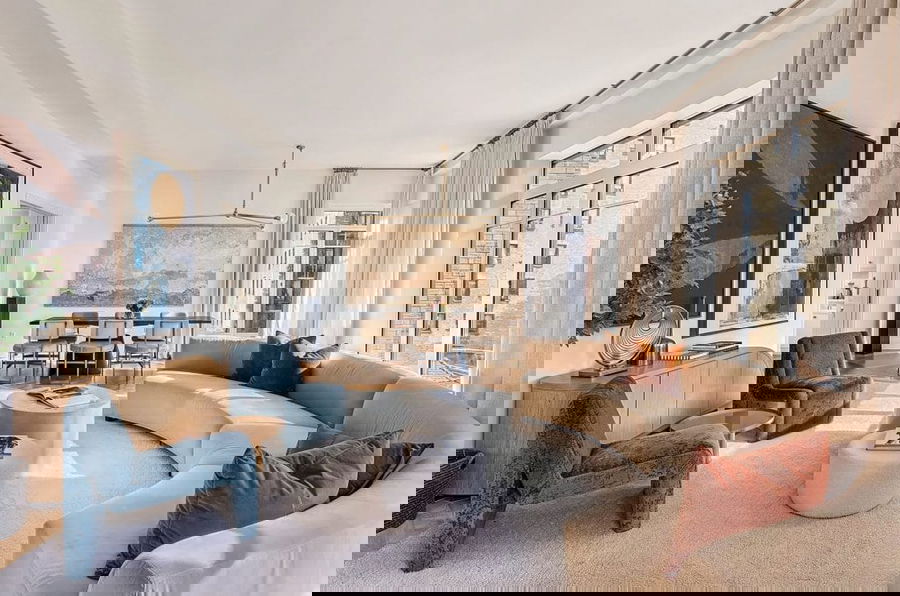
Interior Innovation to Maximize Comfort and Style
Interior design is no longer just about aesthetics. In a world demanding balance and well-being, today’s homes must go beyond surface beauty. True luxury lies in seamless living—spaces that feel intuitive, comforting, and effortlessly stylish. The fusion of technology, ergonomics, and design has ushered in a new era: interior innovation comfort.
This modern philosophy doesn’t just focus on visual appeal. It emphasizes emotional and physical wellness within a space. Whether you’re working from home, entertaining guests, or enjoying a quiet evening, your environment should elevate both mood and function.
Comfort as a Design Principle
In traditional interiors, comfort was often an afterthought—fluffy pillows or a plush rug thrown in to soften a look. Now, it’s foundational. Smart furniture design, sensory lighting, and spatial fluidity all contribute to a deeper kind of ease.
Think cocoon-like chairs that support posture. Sofas engineered with memory foam and breathable textiles. Or underfloor heating that eliminates cold feet in winter without cluttering a room with radiators. These are subtle, tactile cues of interior innovation comfort, reshaping how we define relaxation at home.
Biophilic Harmony
Nature is one of the most powerful sources of comfort. Biophilic design integrates organic elements into the home to boost mental clarity, reduce stress, and foster tranquility. But it’s not just about adding potted plants.
Innovative biophilic strategies include moss walls, natural light optimization through architectural skylights, and indoor water features that introduce soft ambient sound. These features blur the line between inside and out, enveloping residents in a sanctuary that prioritizes wellness.
With interior innovation comfort, materials also play a critical role. Textures like reclaimed wood, linen, clay, and jute provide a tactile experience that feels grounded and human.
Tech That Disappears
Smart homes are no longer about flashy gadgets. Today, the most impressive technology is invisible—working silently in the background to enhance daily life. Ambient temperature control, motorized curtains, and voice-activated lighting all contribute to personalized comfort without visual distraction.
Imagine a lighting system that adjusts its color temperature to align with your circadian rhythm. Or a mattress that monitors sleep cycles and subtly shifts firmness throughout the night. These innovations are the epitome of interior innovation comfort, offering convenience tailored to lifestyle and health.
The Power of Multi-Sensory Design
Comfort isn’t just physical—it’s emotional. Multi-sensory interiors are designed to delight more than just the eyes. Acoustic insulation softens echoes and creates peaceful auditory environments. Aromatherapy diffusers built into HVAC systems subtly infuse the air with calming scents like lavender or eucalyptus.
Visual softness is also crucial. Rounded corners on furniture, muted palettes, and indirect lighting evoke feelings of safety and serenity. These elements may seem minute individually, but together they create an immersive sense of comfort that modern design increasingly prioritizes.
Personalization Is the New Luxury
Gone are the days of cookie-cutter layouts. Homeowners now crave highly personalized spaces that reflect not just their tastes, but also their routines, habits, and values. Interior innovation comfort thrives on customization.
Whether it’s a reading nook tailored to natural light angles, a media room with custom acoustics, or kitchen cabinetry that adapts to ergonomic needs, the most comforting spaces are those that respond to the unique lives lived within them.
Furniture that adapts, modular layouts that evolve, and even walls that shift—these aren’t sci-fi fantasies. They’re becoming reality, making comfort a dynamic, responsive experience.
Elegance Through Simplicity
While maximalist design trends have their place, there’s a growing appreciation for spaces that soothe through restraint. Clean lines, coherent color stories, and intentional design choices are the cornerstones of quiet luxury.
This doesn’t mean sterile or boring. Rather, it’s about thoughtful editing—allowing every piece to have purpose and presence. Through interior innovation comfort, style becomes effortless. A well-lit corner with a sculptural armchair and an inviting throw can speak volumes more than an over-furnished space.
Future-Forward Materials
Materials innovation is also redefining how we perceive comfort and sustainability. From stain-resistant, eco-conscious upholstery to antimicrobial surfaces that promote hygiene without sacrificing elegance, new developments offer peace of mind alongside visual refinement.
Phase-change materials—originally developed for NASA—are now being used in interiors to regulate body temperature in cushions and bedding. These forward-thinking integrations exemplify the harmony between science and sanctuary.
Interior innovation comfort is not a fleeting trend; it’s the cornerstone of future-ready design. It embraces the truth that homes are not just for living—they are for feeling. They must support our emotional and physical well-being while offering a canvas for self-expression. In this way, comfort and style are no longer in competition. When guided by innovation, they become inseparable allies in crafting the perfect living space.