
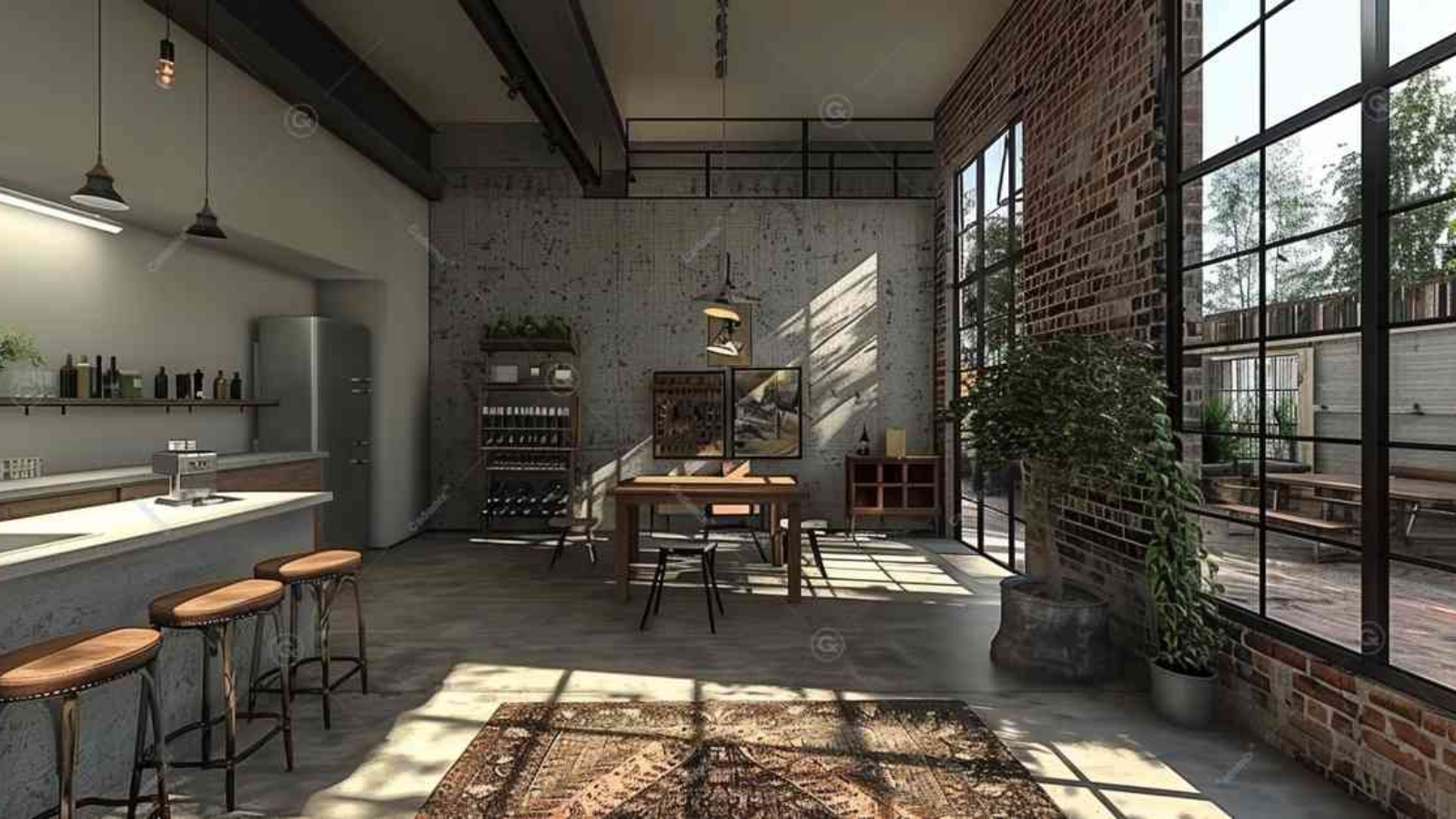
Interior Innovation Techniques from the Experts
In the fast-evolving world of interior design, true transformation lies not only in trends, but in techniques—those honed, tested, and perfected by seasoned professionals. The rise of interior innovation experts marks a shift from decorative improvisation to strategically engineered elegance. These specialists don’t merely decorate; they orchestrate experiences within space.
Modern interior innovation is a fusion of psychology, ergonomics, sustainability, and technology. It’s about anticipating needs, provoking emotion, and crafting environments that resonate deeply. The techniques emerging from industry pioneers are redefining what it means to live beautifully.
Adaptive Design Thinking
At the forefront of expert methodology is adaptive design. Gone are the days of static interiors. Today’s interior innovation experts prioritize spaces that respond fluidly to lifestyle changes. Think modular walls, transformable furniture, and hidden storage that reclaims valuable square footage.
This approach is deeply human-centric. Instead of forcing people to conform to a space, the space adapts to their rhythm. Whether a home office becomes a guest room within minutes or a kitchen island morphs into a dining table, the innovation lies in fluidity and multifunctionality.
Mastering the Fifth Wall: Ceilings Reimagined
One frequently overlooked area of transformation is the ceiling. Top designers have coined this space the “fifth wall,” and it’s becoming a canvas for subtle yet impactful innovation. Through the use of coffered patterns, acoustic panels, and concealed lighting, ceilings now play a pivotal role in ambiance and acoustic control.
Interior innovation experts incorporate suspended architectural elements and kinetic lighting systems that adjust brightness and color temperature based on time of day, activity, or mood. It’s a refined blend of function and theatre—bringing ceilings into the spotlight, literally and figuratively.
Neurological Design and Sensory Layering
Comfort isn’t an accident. It’s an orchestrated outcome of sensory intelligence. Experts are turning to neurological design—an approach that taps into how the human brain perceives safety, comfort, and beauty.
Color psychology, scent diffusion systems, tactile variations in materials, and curated soundscapes all contribute to immersive environments. Interior innovation experts use these tools not just to impress, but to regulate stress, improve sleep, and boost productivity. This is design that does more than look good—it feels good.
Sustainable Intelligence
Eco-consciousness has become table stakes, but the best minds in the field are pushing boundaries further. Sustainability is no longer limited to reclaimed wood or LED lighting. The latest techniques include carbon-positive materials, biophilic integrations that naturally regulate indoor air quality, and zero-VOC coatings.
Interior innovation experts prioritize lifecycle thinking—choosing furnishings and finishes that age gracefully, repair easily, and biodegrade responsibly. They integrate solar-responsive windows, greywater reuse systems, and smart thermostats as standard design elements, ensuring homes are not just beautiful, but ecologically viable for decades to come.
Cultural Contextualization
True expertise in interior innovation doesn’t exist in a vacuum. Cultural fluency plays a major role in the way environments are conceived and delivered. Whether drawing from Japanese wabi-sabi principles, Scandinavian hygge, or Moroccan riad aesthetics, experts interpret global motifs with reverence and relevance.
This isn’t mere eclecticism. It’s a deliberate layering of symbolism, story, and soul into spatial form. For the interior innovation experts, understanding the cultural resonance of a pattern, material, or layout is as vital as color coordination or lighting placement.
Data-Driven Spatial Planning
Technology isn’t just influencing what we see in a space—it’s shaping how it’s created. Sophisticated modeling tools, spatial analytics, and AI-assisted design software are helping experts craft spaces with surgical precision.
By using motion-sensor data, occupancy mapping, and lifestyle algorithms, interior innovation experts can design layouts that predict behavior and optimize movement. Kitchens become more efficient. Lounges become more relaxing. Hallways become less wasted. This is optimization at its most elegant.
Bespoke Material Engineering
Gone are the days when designers were limited to what suppliers had in stock. Today, innovation lies in material customization. From 3D-printed ceramic tiles to embedded fiber-optic fabrics, experts are collaborating with manufacturers to develop one-of-a-kind finishes and surfaces.
These innovations allow a high degree of storytelling in interiors. A table made from sand-infused resin reflects its coastal surroundings. A wall treated with color-shifting micro-pigments responds to light like a chameleon. It’s personalization at a material level—where the narrative is etched into the design itself.
The Emotional Blueprint
Every truly great interior begins with a question: How do you want to feel here? That’s where the emotional blueprint comes into play. Interior innovation experts create mood-driven layouts, zoning areas for emotion—rest, connection, focus, celebration.
They don’t just install lighting—they calibrate it. They don’t just add seating—they position it to foster intimacy or independence. They understand that comfort, inspiration, and clarity are byproducts of intentional design.
In the realm of modern living, the bar for what constitutes great interior design has been raised—and interior innovation experts are the ones pushing it higher. Their techniques go far beyond the cosmetic. They are rooted in human psychology, technological foresight, and cultural respect.
Innovation, after all, is not just about novelty. It’s about creating interiors that function intelligently, look distinct, and make us feel profoundly at home.