
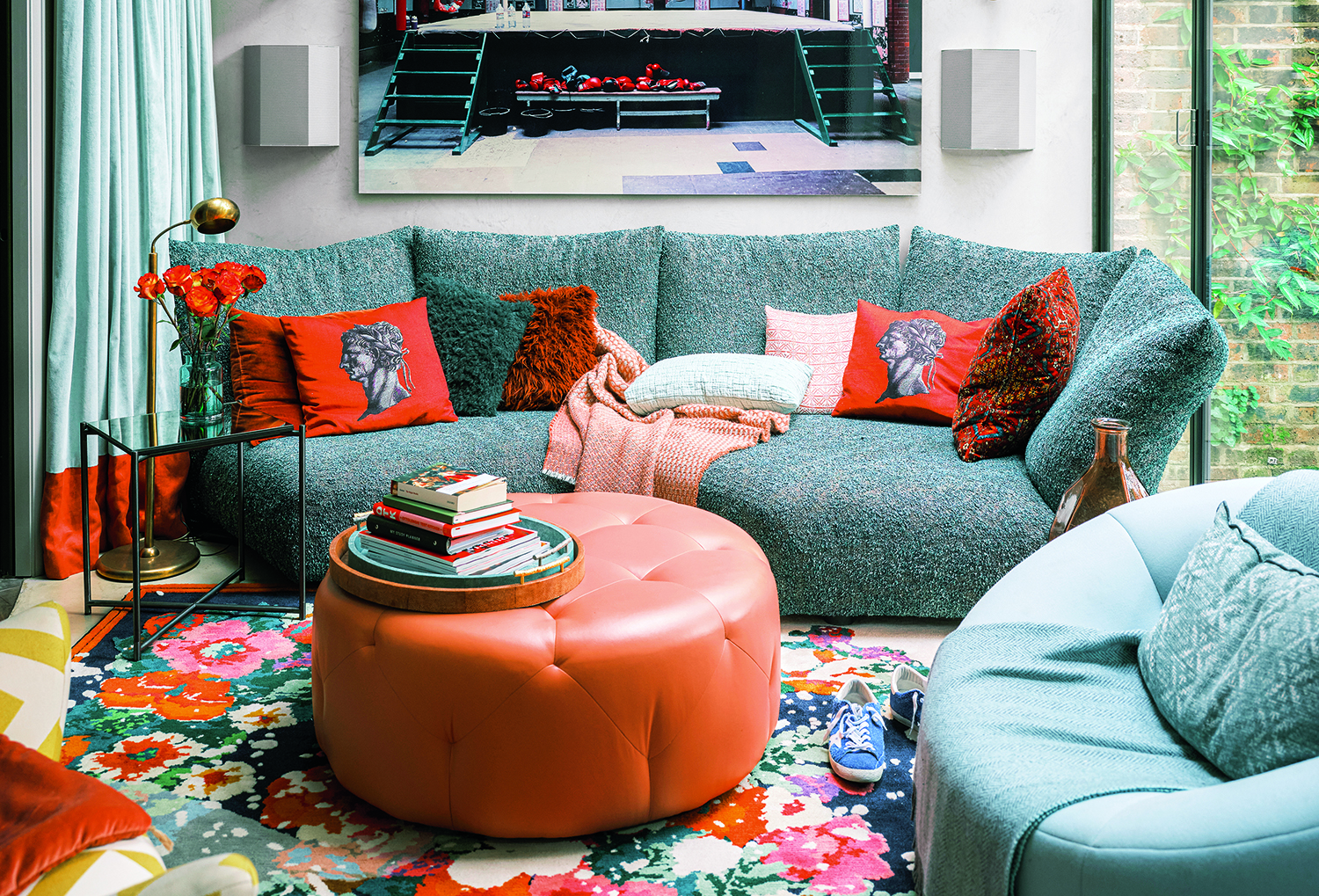
Interior Innovation Tips for Cozy Spaces
Designing a space that feels truly cozy isn’t just about layering throws and lighting a few candles. In today’s era of purposeful living, coziness is curated. It is intentionally woven through spatial planning, textures, smart technology, and emotional resonance. To create such warmth, you must embrace interior innovation cozy design principles that balance comfort with function, mood with utility.
Modern coziness is sophisticated, not cluttered. It’s mindful, not messy.
Multi-Sensory Elements Make a Difference
True coziness engages the senses. Visual warmth through ambient lighting. Tactile satisfaction from natural fibers. Auditory comfort with soft background acoustics. When planning your space, choose materials and finishes that offer sensory depth.
Think boucle upholstery, cork flooring, or reclaimed timber with visible grain. These textures not only invite touch but create a deeper, more grounded environment. Use diffused lighting—such as sconces or dimmable pendants—to soften shadows and reduce visual harshness. It’s a subtle but powerful shift, and a hallmark of interior innovation cozy principles.
Smart Layouts for Small Sanctuaries
Limited square footage doesn’t mean limited coziness. In fact, cozy often flourishes in compact spaces. The trick lies in layout. Interior innovation in tight quarters means maximizing flow without sacrificing emotional warmth.
Use modular furniture that adapts to your routines—a bench that tucks beneath a table, or nesting side tables that double as nightstands. Consider wall-mounted shelves in lieu of bulky bookcases to keep the floor open while still displaying personal items. Strategic zoning with area rugs or varying ceiling heights can delineate space without interrupting it.
When applied thoughtfully, interior innovation cozy layout design transforms even the smallest spaces into intimate havens.
Color Psychology as a Tool
Color is an emotional catalyst. Deep earth tones like sienna, olive, or charcoal can envelope a room in comfort. Muted hues like sage, oatmeal, and soft mauve exude calm without becoming sterile.
The current trend of tone-on-tone palettes—where walls, trim, and furnishings are variations of a single hue—intensifies a feeling of enclosure and peace. Add a few high-contrast accents (a black lamp base or brass hardware) to ground the palette without jarring it.
In the context of interior innovation cozy, color becomes a psychological layering strategy, not just an aesthetic choice.
Technology Meets Tranquility
Cozy and high-tech might seem like opposing concepts, but in modern interiors, they co-exist beautifully. Smart thermostats that learn your preferred temperatures, automated blackout curtains, and voice-controlled lighting offer convenience that quietly supports comfort.
Wireless charging embedded into side tables. Heated flooring in bathrooms. Sound-absorbing panels disguised as artwork. These innovations are subtle yet impactful—and crucial in cultivating spaces that respond to your needs intuitively.
The key to interior innovation cozy tech is invisibility. Technology should blend seamlessly into the background, enhancing rather than interrupting the ambiance.
Personalization Adds Soul
Coziness thrives in uniqueness. A home that reflects its inhabitants tells a story, and that narrative is what imbues a space with soul.
Rather than filling walls with mass-produced art, consider framing handwritten recipes, vintage textiles, or travel mementos. Custom-built shelving can turn awkward corners into reading nooks or memory displays. Family heirlooms paired with modern pieces create dialogue between past and present—deepening emotional attachment to the space.
This intentional personalization is central to interior innovation cozy thinking: comfort is emotional, not just physical.
Embrace Soft Architecture
Soft architecture—such as curtains instead of doors, fabric panels to break up open spaces, or arched niches—softens the structure of a room and enhances coziness. Even the use of curved furniture or rounded countertops can subtly alter how a room feels, making it more nurturing and approachable.
These design elements trick the mind into perceiving safety and calm, much like a cocoon. It’s a design language rooted in instinct—and it’s incredibly effective in cozy space creation.
Interior innovation cozy strategies aren’t just about adding warmth, but reshaping the very structure to radiate welcome.
Ambient Layers Over Centralized Fixtures
Overhead lighting is often the enemy of coziness. It flattens depth and erases subtlety. Instead, build ambiance with layers of light—task, accent, and mood. A low-hung pendant over a reading chair. A small table lamp on a windowsill. An LED strip tucked beneath a floating shelf.
These points of glow create visual rhythm and warmth, inviting you to linger rather than rush through. In the vocabulary of interior innovation cozy, lighting is punctuation, not just grammar.
Final Thoughts
Creating a cozy space in today’s modern world is a deliberate act—one that blends tactile richness, sensory design, smart function, and emotional intelligence. It’s a departure from trends and a return to what truly nurtures. With the right blend of texture, technology, personalization, and thoughtful layout, your home can evolve into a sanctuary that doesn’t just shelter—but soothes.
By adopting interior innovation cozy strategies, you transform ordinary rooms into restorative experiences. That’s the new definition of home.