

Interior Innovation Trends You Can’t Ignore
Interior design is no longer just about aesthetics—it’s a powerful intersection of technology, sustainability, and functionality. As living spaces evolve with our changing lifestyles, the demand for smarter, more purposeful environments continues to rise. The latest interior innovation trends reflect a blend of intuitive design thinking and cutting-edge execution, transforming the way we interact with our homes and workspaces.
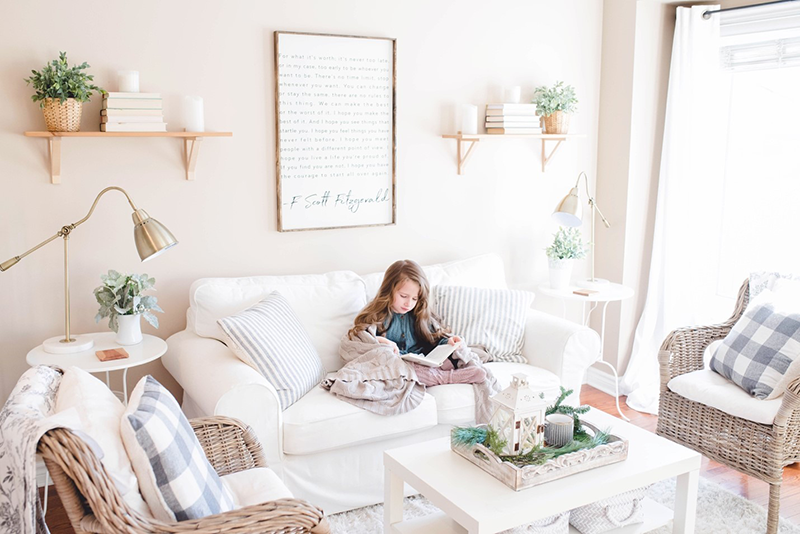
Biophilic Design Integration
One of the most dominant interior innovation trends reshaping modern interiors is biophilic design. Rooted in our innate connection to nature, this concept incorporates natural elements—plants, organic materials, and earthy textures—into indoor environments. From living green walls to nature-inspired patterns and daylight optimization, biophilic interiors aim to enhance well-being, reduce stress, and improve cognitive function.
Designers are integrating indoor gardens, moss panels, and reclaimed wood features as both aesthetic and therapeutic solutions. It’s a move away from sterile minimalism toward more nourishing, sensory-rich experiences.
Smart Technology and Automation
Technology is seamlessly merging with interior environments through automation and smart systems. Homeowners are adopting voice-controlled lighting, AI-powered thermostats, smart blinds, and connected kitchen appliances that can be controlled via smartphone or voice command.
This isn’t just convenience—it’s about customization. These interior innovation trends are enabling environments to respond to individual preferences, learning behaviors, and improving energy efficiency. With smart mirrors that offer news updates and smart showers that preheat to your ideal temperature, homes are becoming intuitive living partners.
Multi-Functional Living Spaces
In response to rising urban density and smaller homes, the demand for flexible spaces has skyrocketed. One of the standout interior innovation trends is furniture and layouts designed for adaptability. Think Murphy beds integrated into bookshelves, extendable dining tables, or modular sofas that can be rearranged for different purposes.
Zoning through subtle visual cues—like rugs, lighting, or open shelving—helps delineate areas for work, relaxation, or entertaining, without the need for permanent walls. This approach emphasizes practicality without compromising design integrity.
Sustainable and Circular Design
Eco-consciousness is no longer optional; it’s imperative. Consumers and designers alike are placing sustainability at the core of design decisions. From bamboo flooring and recycled glass countertops to paint made from natural pigments, today’s materials prioritize low environmental impact.
Circular design—where materials and products are reused, refurbished, or recycled at the end of their life cycle—is gaining traction. These interior innovation trends not only minimize waste but also foster creativity, as designers repurpose vintage finds into modern masterpieces.
Maximalist Expression with Purpose
Minimalism still holds ground, but maximalism has made a bold return—this time with purpose. Layered textures, bold colors, curated art collections, and global influences are all part of this expressive trend.
Rather than clutter, it’s about storytelling. Every item has meaning, every combination evokes a feeling. This evolution of maximalism aligns with interior innovation trends that encourage personalized, emotionally resonant spaces rather than cookie-cutter uniformity.
Acoustic Wellness
As remote work continues to blur the line between personal and professional spaces, acoustic design has become a new frontier. Acoustic panels, noise-canceling design elements, and sound-absorbing materials are being integrated not just in offices but in living rooms, bedrooms, and even kitchens.
Felt-covered lighting, cork walls, and upholstered partitions enhance both form and function. These interior innovation trends aim to support concentration, privacy, and comfort without compromising aesthetic appeal.
Textural Play and Sensory Design
Texture is emerging as a dominant element in interior design, offering tactile experiences that elevate a room’s character. From boucle chairs to ribbed wall panels and stone-textured wallpaper, designers are leaning into materials that invite touch and add depth.
This trend ties into sensory design, which emphasizes environments that engage all five senses. Scent diffusers, ambient lighting, soft furnishings, and ambient sounds all contribute to a holistic, immersive atmosphere.
Personalized Lighting Concepts
Lighting is no longer just about visibility—it’s about emotion. Human-centric lighting systems that mimic natural circadian rhythms are becoming popular in both residential and commercial spaces. Dimmable LEDs, motion sensors, and color temperature controls offer endless customization.
These interior innovation trends cater to both mood enhancement and energy efficiency, merging technology with human biology in a truly modern way.
Fusion of Vintage and Futuristic
A fascinating dichotomy is emerging in design: the simultaneous embrace of nostalgia and futurism. Interiors now often blend vintage heirlooms with futuristic forms, creating a visual and emotional dialogue between past and present.
This fusion results in unexpected harmony—a Danish mid-century chair beside a sleek LED floor lamp, or a classical arch framing a holographic art piece. Such hybrid aesthetics define some of the most original interior innovation trends to date.
From intuitive technology to eco-forward materials, the landscape of interior design is evolving at a rapid pace. These interior innovation trends are not just passing fads—they’re meaningful shifts toward smarter, more sustainable, and deeply human spaces. In embracing these movements, homeowners and designers alike are redefining the very purpose of the places we call home.